

Introduction — Why Do Lighting Costs Suddenly Look So High?
Many event organizers are surprised when lighting quotes for large events approach—or even exceed—the cost of the stage itself.
In previous years, lighting was often included within a broader production package, making individual costs less visible. As events have grown in scale and production standards have risen, lighting budgets are now more transparent—and therefore seem much higher.
For festivals and large concerts, lighting is no longer just about illuminating performers. It has become a core part of the audience experience, broadcast visuals, and artist presentation.
The key point many organizers miss is simple:
Lighting costs are not just about renting lights. They represent an entire production system.
To understand where the money goes, it helps to break down what professional stage lighting actually includes.
Chapter 1 — What Are You Actually Paying for in Stage Lighting?
When a lighting company provides a quote for a large event, the cost covers far more than the fixtures themselves. A professional lighting setup involves equipment, infrastructure, logistics, and skilled personnel working together.
Large-scale events often use hundreds of fixtures, including:
- Moving head beams, spots, and wash lights
- Audience lighting
- Effect fixtures such as strobes and blinders
- Stage wash and key lighting
These fixtures must be powerful enough to cover large spaces and remain visible even in environments with LED screens and strong ambient lighting.
2. Rigging and Structural Systems
Lighting equipment must be safely suspended above the stage and audience areas.
This requires:
- Truss structures
- Motors and hoists
- Load calculations
- Safety-certified rigging installations
Safety regulations are strict, and professional rigging crews are required to ensure equipment is secure and compliant with venue standards.
3. Lighting Control Systems
Modern lighting setups rely on advanced control systems, including:
- Lighting consoles
- Network distribution hardware
- Backup control systems
- Programming and show playback servers
These systems allow complex lighting scenes to run smoothly and reliably throughout performances.
4. Technical Crew and Designers
Lighting production requires skilled professionals such as:
- Lighting designers
- Programmers
- Console operators
- On-site technicians
- Load-in and load-out crew
Their expertise ensures that lighting looks correct, runs reliably, and adapts quickly during live performances.
5. Setup and Dismantling Labor
Large events often require multiple days to build and test lighting systems before the show begins.
Crews must:
- Install equipment
- Program lighting sequences
- Test systems
- Remove all equipment after the event
This labor is a significant part of production cost.
6. Transportation and Logistics
Lighting equipment must be transported using multiple trucks, sometimes across long distances.
Costs include:
- Transport vehicles
- Fuel
- Drivers
- Loading and unloading logistics
For large festivals, moving equipment safely and on schedule is a major operational expense.
Chapter 2 — Where Can Event Organizers Actually Save Money?
While large-scale lighting production can be expensive, smart planning often allows organizers to reduce costs without sacrificing visual quality. The key is not simply to reduce equipment, but to use lighting more efficiently and strategically.
Optimize Fixture Selection Instead of Increasing Quantity
A common reaction when trying to improve stage visuals is to simply add more fixtures. However, modern lighting technology allows fewer fixtures to produce stronger results when chosen correctly.
Multi-function fixtures that combine beam, wash, and spot capabilities can often replace several single-purpose lights. This reduces equipment quantity, rigging load, transport needs, and setup time—all of which directly affect production budgets.
Use Different Fixture Types for Different Roles
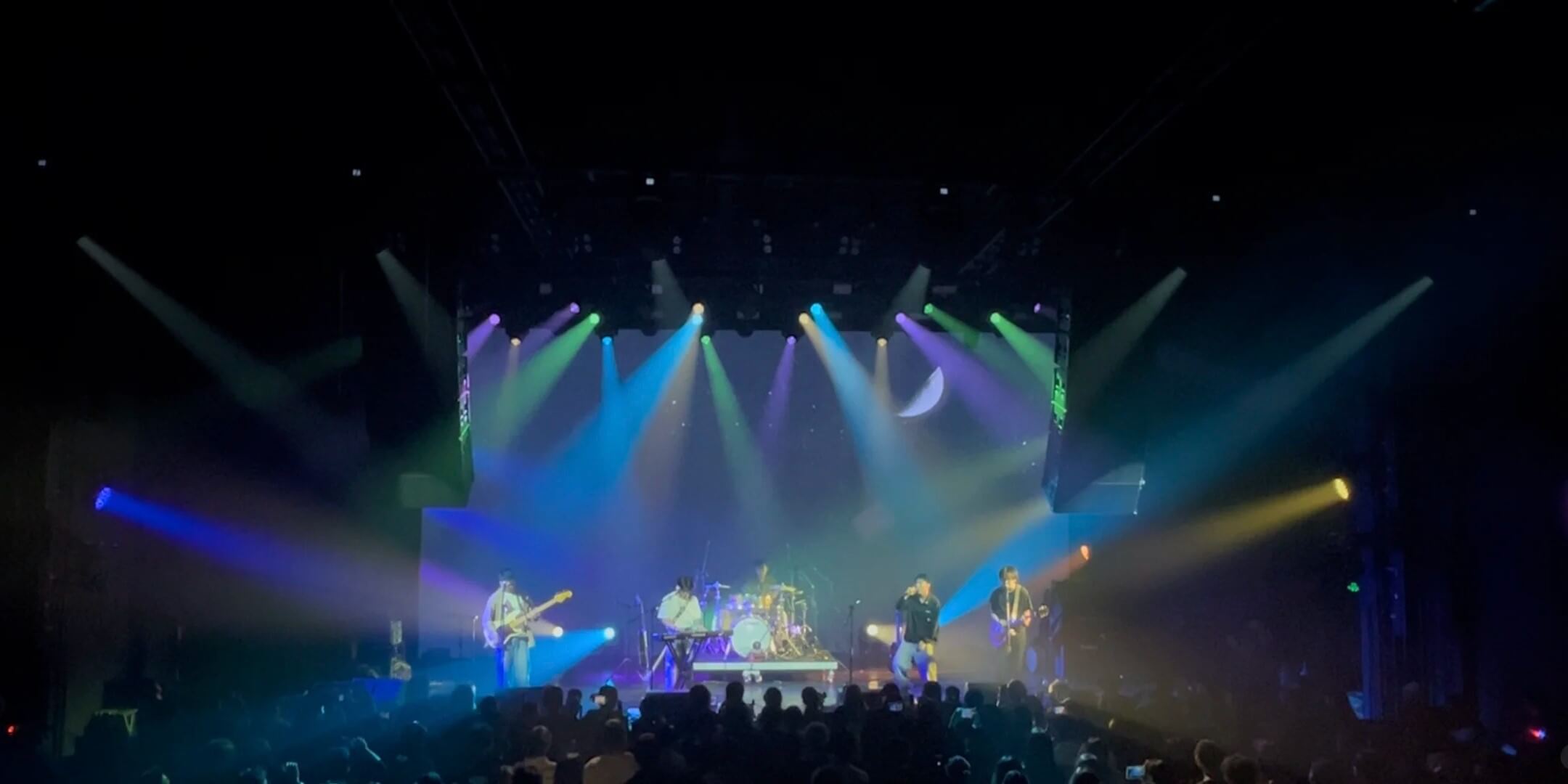
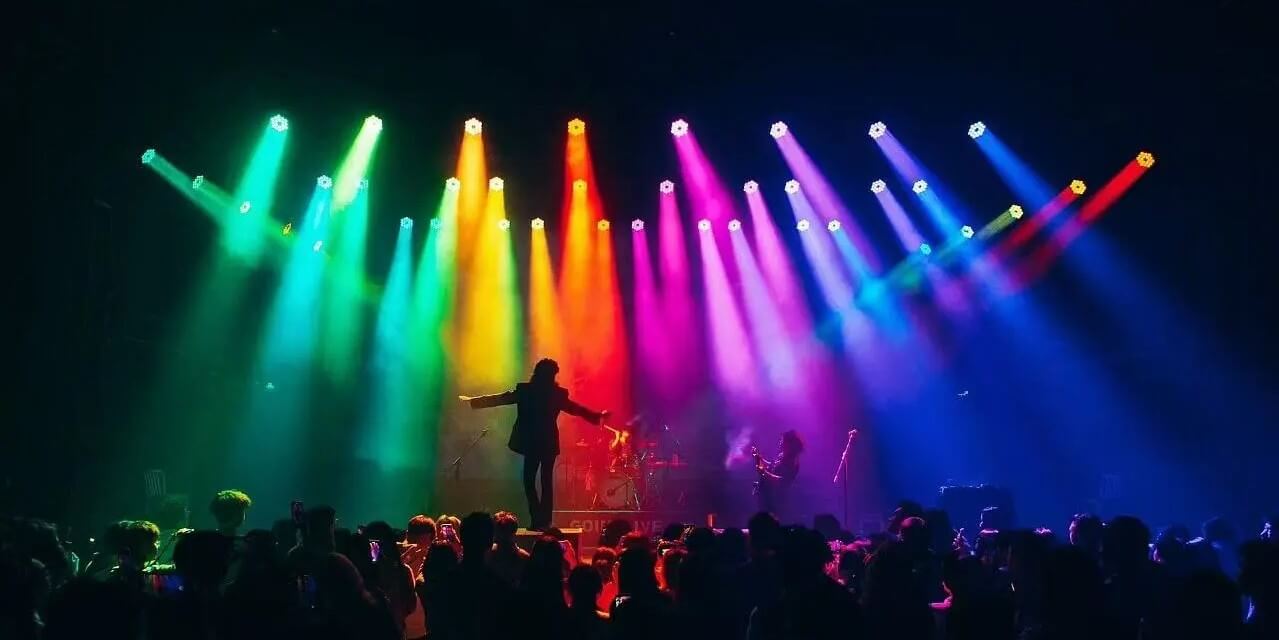
PAR lights are essential for stage wash and color coverage, but large events rarely rely on PAR fixtures alone. Efficient lighting rigs use different fixture types, each serving a specific purpose:
- Moving head beam lights create strong aerial effects and visual depth.
- Spot or hybrid fixtures highlight performers and add texture to the stage.
- Wash fixtures and PAR lights provide base color coverage.
- Blinders and strobes add energy during key musical moments.
Using the right fixture in the right role often reduces the need for excessive quantities while improving visual impact.
Examples of fixtures often used in modern large-scale productions include:


These fixtures help production teams achieve dynamic stage looks while reducing reliance on large numbers of single-purpose lights.
Focus Lighting Where It Matters Most
Not every area of a venue requires the same lighting intensity. Concentrating lighting resources on the main stage, performance zones, and audience interaction areas often delivers better results than spreading fixtures evenly across the entire venue.
Well-planned lighting placement frequently improves visual impact while reducing equipment needs.
Reduce Setup Complexity
Lighting designs that require complicated rigging or excessive cabling increase labor hours during installation and dismantling. Fixtures that support easier linking and faster deployment help shorten build schedules and reduce crew costs.
For touring or multi-day festivals, these savings can be substantial.
Plan Lighting Design Early
One of the most effective ways to control lighting costs is involving lighting professionals early in the event planning process. Early design decisions prevent last-minute equipment additions and emergency rentals, both of which often drive budgets higher.
Efficient planning leads to smoother production and more predictable costs.
Chapter 3 — Where Should You Not Cut Lighting Costs?
While optimizing budgets is important, there are certain areas in lighting production where cutting costs can seriously affect both the audience experience and event safety. Knowing where not to reduce spending is just as important as knowing where savings are possible.
Main Stage Visibility
The main stage is the visual focus of the event. If performers are poorly lit or lighting coverage is uneven, the production immediately feels underwhelming—no matter how strong the performance itself may be.
Adequate wash lighting, performer visibility, and balanced stage illumination should always be prioritized, especially for large audiences and camera coverage.
Performer Lighting and Camera Requirements
Modern festivals and concerts are often filmed or streamed, even when no official broadcast is planned. Cameras require consistent and well-balanced lighting to capture performers properly.
Insufficient lighting can result in poor video quality, dark footage, or unnatural skin tones, affecting both live audiences watching screens and post-event media content.
Audience Lighting and Engagement
Lighting is not only about the stage—it also connects performers and audiences. Proper audience lighting, blinders, and dynamic effects create shared moments that elevate crowd energy.
Cutting audience lighting entirely often makes large events feel visually flat and less immersive.
Safety and Rigging Standards
Safety should never be compromised. Certified rigging, proper load calculations, and reliable installation crews are essential for protecting both audiences and performers.
Reducing budgets in these areas increases risks and can lead to serious consequences or regulatory issues.
System Reliability and Backup Solutions
Large events rely on lighting systems operating continuously for many hours. Backup power, redundant signal systems, and professional-grade equipment reduce the risk of failures during performances.
Technical issues during headline acts can damage event reputation far more than any savings gained from budget cuts.
FAQ — Equipment Questions Event Organizers Often Ask
1. Why do lighting equipment costs vary so much between suppliers?
Lighting fixtures differ greatly in brightness, beam quality, color performance, and reliability. Two fixtures may look similar on paper but perform very differently in real conditions. Price differences often reflect output quality, color consistency, durability, and long-term reliability.
2. Do I really need that many lights for a large event?
Not always. The right fixture type and placement can often reduce the total number of lights needed. Higher-output or multi-function fixtures can sometimes replace several smaller units while delivering better visual impact.
3. Can smaller or cheaper lights still work for big events?
They can work, but may struggle to compete with LED screens or outdoor ambient light. Using fixtures with sufficient brightness ensures the stage remains visible and impactful for large audiences.
4. What types of lights are essential for a festival stage?
Most large stages use a mix of:
- Wash or PAR lights for color coverage
- Moving head beam lights for aerial effects
- Spot or hybrid fixtures for performer focus
Each type plays a different role in the overall look.
5. How do I know if a fixture is powerful enough for my event?
Check brightness output, beam quality, and intended use. Fixtures designed for large stages are built to remain visible over long distances and in bright environments.
6. Should I buy fixtures if I organize events every year?
If events are frequent, owning core fixtures can reduce long-term rental costs. For occasional events, renting may still be more practical.
Final Thoughts
Lighting for large festivals and events often seems expensive at first, but the real impact comes from choosing the right equipment for the scale of the show. Understanding fixture types, brightness, and coverage helps organizers plan more effectively and avoid unnecessary spending.
To explore practical lighting solutions suitable for stages and large events, visit:
https://betopperdj.com/

コメントを残してください
全てのコメントは、掲載前にモデレートされます
このサイトはhCaptchaによって保護されており、hCaptchaプライバシーポリシーおよび利用規約が適用されます。