
Introduction
With Christmas just behind us, many churches are already counting down to Easter. This year, with barely more than a hundred days between the two celebrations, preparation time can feel tighter than expected. For many ministry teams, this means finding a balance between limited budgets, volunteer-led crews, and demanding production schedules.
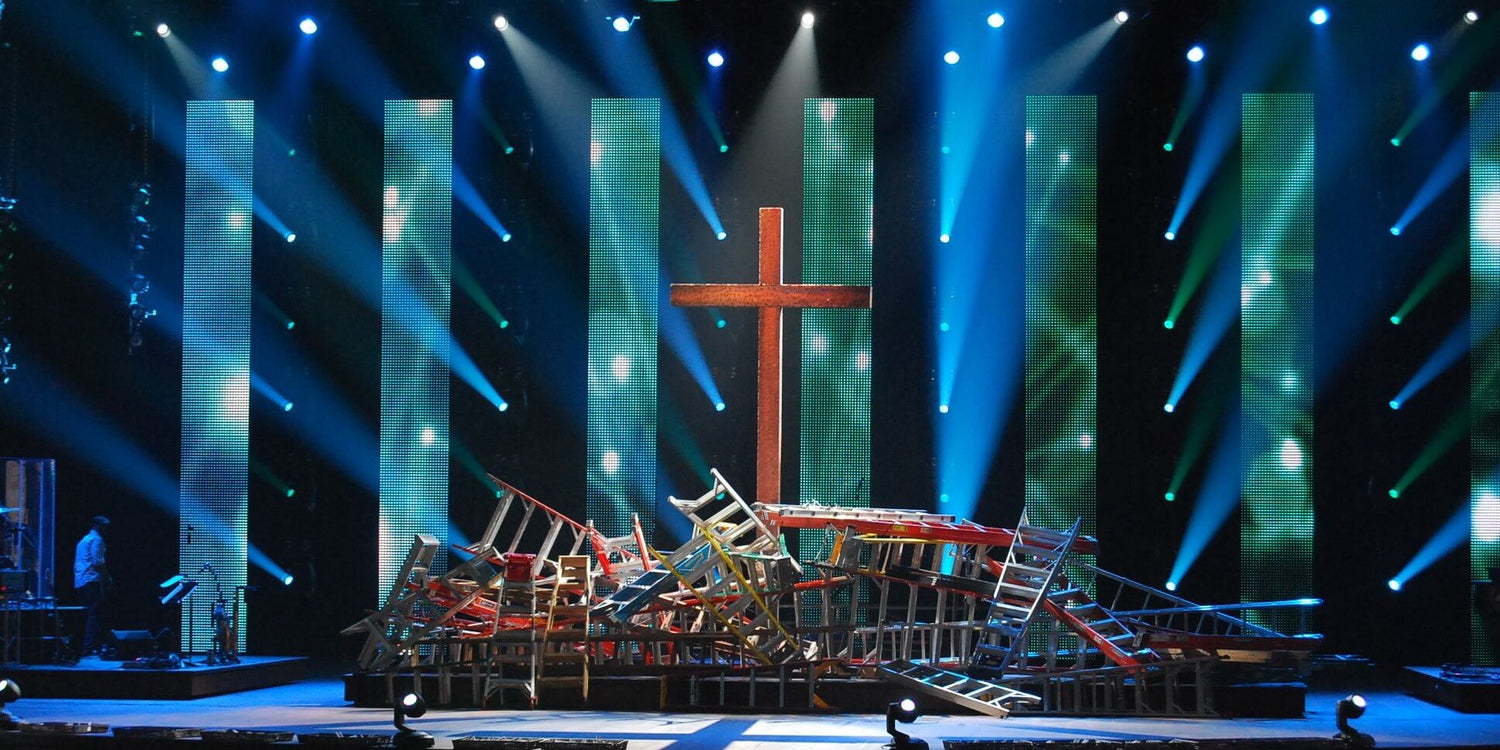
But creating a meaningful Easter atmosphere doesn’t necessarily require expensive new equipment. More often, it comes from intentional design choices—strategic use of lighting, thoughtful use of space, and creative repurposing of the resources you already have.
As Dave Bookhout, Production Pastor at Grace Family Church, explains:
"Treating Easter as an event does not mean over-producing. It means designing with purpose. When the room, visuals, lighting, and pacing are aligned, they help people engage emotionally and spiritually with what they are hearing."
In this guide, we’ll explore 6 practical Easter stage lighting ideas for churches that can help transform the atmosphere of your worship space—no matter your budget.

1. Start With Vision Before Visuals
Before adjusting lighting fixtures or planning stage layouts, it’s important to start with a clear vision of what the Easter service is meant to communicate.
As Dave Bookhout, Production Pastor at Grace Family Church in Tampa, explains:
“We start with vision before visuals. That means understanding the message, the pastoral intent, the audience, and the constraints. From there, ideas are refined through practical filters like budget, volunteer capacity, and long-term stewardship.”
In other words, effective stage design begins with purpose.
Instead of asking “What lighting effects should we use?”, many experienced church production teams begin by asking different questions:
- What story are we telling this Easter?
- What atmosphere will help the congregation engage with the message?
- How can the stage environment support the worship experience rather than distract from it?
Once that vision is clear, practical decisions about lighting become much easier.

3. Use Strategic Lighting to Shape the Easter Story
Great stage lighting is not only about brightness or visual effects—it is about supporting the message of the service. During Easter, lighting can help guide the congregation through the emotional progression of the story: reflection, anticipation, and finally celebration.
By designing lighting cues that follow this journey, churches can create a more meaningful and engaging worship experience. Even with a modest lighting system, thoughtful programming and fixture placement can dramatically shape the atmosphere of the room.
Here are three strategic ways to use lighting to support the Easter narrative.
3.1 Build Contrast Between Reflection and Celebration
One of the most powerful tools in lighting design is contrast. If the stage remains equally bright throughout the entire service, it becomes difficult to create emotional transitions.
Instead, consider designing lighting moments that intentionally move between darker, reflective scenes and brighter celebratory scenes.
For example:
- During prayer, scripture readings, or quieter songs, use lower light levels with cooler tones such as blues or purples.
- As the service builds toward the resurrection message, gradually increase the intensity and introduce warmer tones like amber or gold.
- At the announcement of the resurrection, bring the stage to its brightest moment with full lighting and vibrant colors.
These changes help the audience feel the emotional progression of the service without needing additional stage elements.
3.2 Layer Different Types of Lighting
Professional lighting design often relies on layering multiple types of light rather than relying on a single source. Even a small church lighting setup can benefit from this principle.
A simple layered lighting approach may include:
- Front lighting to clearly illuminate speakers and worship leaders
- Backlighting to create depth and separate performers from the background
- Background washes to add color and atmosphere to walls or stage backdrops
When these layers work together, the stage feels fuller and more dynamic.
3.3 Introduce Movement for Key Moments
While static lighting works well for many parts of a worship service, adding subtle movement during key moments can help emphasize celebration and energy.
Dynamic lighting does not have to be overwhelming. Even small movements or slow transitions can create a sense of excitement during Easter worship.
Some practical ideas include:
- Slow beam sweeps during upbeat worship songs
- Gentle pan and tilt movements that follow musical transitions
- Light fan effects behind the stage to add visual texture
Compact moving head fixtures make this possible even in smaller churches. For instance, the Betopper LB150 Beam Moving Head Light offers sharp beams, color effects, and prism features that can add movement and visual energy during the most celebratory parts of the service.

When used thoughtfully, these effects enhance the atmosphere without distracting from the worship experience.
By combining contrast, layered lighting, and controlled movement, churches can transform their Easter stage into a visual storytelling tool that supports the message and engages the congregation.
Final Thoughts
If you're looking for reliable and affordable stage lighting for churches, you can explore a range of professional fixtures designed for worship environments at:
From versatile LED wash lights to compact moving heads, the right tools can help your team create a memorable Easter experience for your congregation.


Laisser un commentaire
Tous les commentaires sont modérés avant d'être publiés.
Ce site est protégé par hCaptcha, et la Politique de confidentialité et les Conditions de service de hCaptcha s’appliquent.