

Introduction
Stage lighting is gradually moving beyond large-scale concerts and professional theaters. Today, it’s increasingly common in nightclubs, home parties, bars, mobile DJ rigs, small theaters, and multi-purpose event spaces.
At the same time, as fixture categories continue to expand, even experienced buyers can get tripped up by spec sheets that look more complicated than they need to be. Many people start with a clear goal—upgrading existing gear, improving visual impact, or creating a more professional environment—but quickly feel overwhelmed by endless options, confusing specifications, and a wide spread of prices.
That’s why we’ve put together this clear, easy-to-follow guide—so you can make an informed, confident decision and choose lights that actually fit your space, your workflow, and your budget.
Let’s break it down.

The Main Types of Stage Lighting Fixtures
Not all stage lighting fixtures are the same—and that’s a good thing. Different types of stage lights serve different purposes, which is why it’s important to understand the main categories below:
1. Beam Lights:
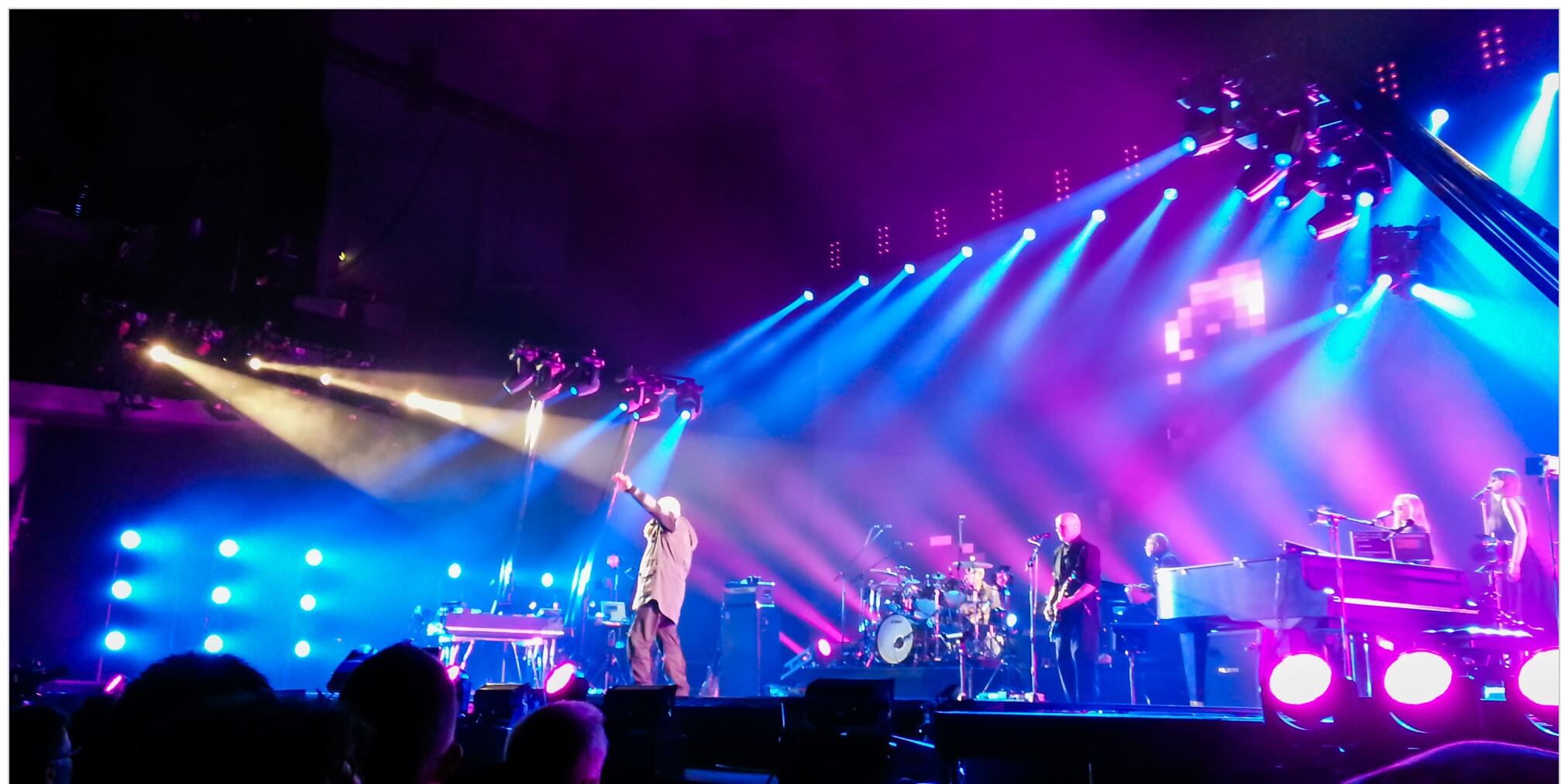
Beam lights are especially suitable for nightclubs, live house stages, small music performance venues, and bars or multi-purpose event spaces focused on electronic music or live performances. In these environments, the core value of beam fixtures is not to “light an area,” but to create visible spatial structure using narrow-angle beams. The more concentrated the beam, the clearer the aerial lines appear. By contrast, in venues with low ceiling height or very short throw distance, the advantages of beam lights are reduced, and the visual result may feel more like intense bright spots rather than clean, defined beam lines.
These fixtures are best installed in positions such as:
- Overhead truss or rigging above the stage
- Behind the DJ booth or in symmetrical positions on both sides
- Above the audience area for horizontal or vertical sweeping effects
When used together with haze or light fog, beam lights excel at producing sharp aerial lines and fast dynamic movements, making them ideal for musical climaxes, transitions, and visual accent moments.
Betopper LB295 295w Pro Moving Head Beam Light and LB150 150w Beam Moving Head LED Stage Light are commonly used in the scenarios above. They are especially well suited for applications that require frequent activation, long operating hours, and situations where beam effects are a core part of the overall visual design.
2. Wash Lights / PAR Lights:
Wash lights (often implemented as PAR lights) are especially suitable for nightclubs, bars, small stages, home parties, and multi-purpose event spaces where overall atmosphere and color consistency are more important than sharp aerial effects.
Wash lights are typically used in positions such as:
- Behind or around the stage to build background color
- Along walls, truss lines, or ceilings for ambient coverage
- On the floor or low mounting points to fill shadowed areas
In these environments, the core value of wash fixtures is not movement or visual punch, but even, stable color coverage across a defined area. Consistent output and uniform color mixing help maintain a balanced visual environment throughout long operating hours.
Betopper 18x18W Lime Amber UV + RGB LED PAR Light and 19x15w Wash Moving Head with Halo Ring are commonly used in the scenarios above.
3. Spot Lights:
Spot lights are especially suitable for applications where clear visual focus and subject definition are required, such as small to mid-sized stages, live performances, presentations, theatrical scenes, and multi-purpose event spaces. In these environments, the core value of spot fixtures is not aerial effects or wide color coverage, but controlled illumination that clearly highlights performers, objects, or specific areas within the space.
These fixtures are best installed in positions such as:
- Front truss or ceiling positions aimed toward the stage
- Side positions to create layered lighting and depth
- Closer mounting locations where controlled beam spread is required
Spot lights are typically used at short to medium throw distances, where precision and uniformity matter more than intensity. Compared to beam lights, spot fixtures offer a more usable light field in low-ceiling venues, helping maintain clarity without overwhelming the space.
Betopper High CRI LED Spotlight is commonly used in the scenarios above. It is especially well suited for applications that require accurate color rendering, stable output, and consistent performance when illuminating performers or focal areas over extended operating periods.
4. Hybrid Fixtures:
Hybrid fixtures are especially suitable for venues where flexibility is required but available lighting positions are limited, such as small to mid-sized nightclubs, mobile DJ systems, touring setups, and multi-purpose performance spaces. In these environments, the core value of hybrid fixtures is not specialization, but the ability to cover multiple lighting roles within a single unit.
These fixtures are best installed in positions such as:
- Central positions above the stage or DJ booth
- Key overhead locations where multiple effects are needed
- Mobile or temporary rigs where fixture count must be minimized
Hybrid fixtures are designed to balance beam, spot, and wash capabilities rather than maximize any single function. While they may not match the extreme narrowness of dedicated beam lights or the broad coverage of pure wash fixtures, they provide practical versatility for setups that need to adapt quickly to different music styles or event formats.
Betopper BSW200 200W Spot Beam Wash Moving Head Light is commonly used in the scenarios above. It is especially well suited for applications that require frequent switching between visual roles, stable long-term operation, and efficient use of limited rigging or budget resources.
5. Effect & Strobe Lights:
Effect and strobe lights are especially suitable for environments where rhythm, impact, and visual accents are needed, such as nightclubs, DJ-focused venues, live electronic performances, and party-oriented event spaces. In these settings, the core value of effect and strobe fixtures is not continuous illumination, but the ability to punctuate music with short, high-energy visual moments.
These fixtures are best installed in positions such as:
- Above the stage or DJ booth to emphasize drops and climaxes
- Over the audience area for rhythmic flashes and movement
- Secondary rigging positions where accent effects are required
Effect and strobe lights are typically used intermittently rather than continuously. Their visual strength comes from contrast—brief bursts of light, rapid flashes, or pattern-based motion that heighten musical transitions and peak moments. Because of this usage pattern, reliability during repeated on/off cycles and consistent response timing are more important than wide coverage or detailed projection.
Betopper LF350 Moving Head Strobe Light and 10×15W RGBW LED Beam Moving Head Light are commonly used in the scenarios above. They are especially well suited for applications where lighting is used to reinforce rhythm, energy, and visual intensity without becoming the primary source of illumination.
Stage Lighting Specification Evaluation
1. How to Read Fixture Specs Without Being Misled
Once you understand fixture types, the next step is learning how to evaluate technical specifications.
This is where many buyers make mistakes—not because they ignore specs, but because they focus on the wrong ones.
Stage lighting specifications are not all equally important. Some directly affect real-world performance and reliability, while others look impressive on paper but offer little practical value in everyday use.
Below are the key parameters that actually matter when evaluating stage lighting fixtures.
2. Light Output: Peak Numbers vs. Usable Brightness
Many fixtures advertise high wattage or impressive lumen figures, but these numbers rarely tell the full story.
What matters in practice is not maximum output at startup, but usable brightness over time. Fixtures operating in warm environments or running for long hours may experience output drop, color shift, or uneven performance if thermal design is insufficient.
When evaluating brightness-related specs, focus on:
- Consistency across multiple fixtures
- Stability after extended operation
- Whether the output matches the intended throw distance and ceiling height
A slightly lower-rated fixture with stable output often performs better in real venues than one chasing peak numbers.
3. Beam Angle and Optical Control
Beam angle defines how light spreads—but it must be evaluated in context.
- Narrow beams work best in higher spaces with longer throw distances
- Wider beams are more usable in low ceilings or close-range setups
Specs that list multiple beam angles or zoom ranges are only valuable if the optical system remains consistent across those settings. Poor optical design can result in uneven edges, hotspots, or reduced intensity when zooming.
In short: beam angle should match your space, not just your expectations.
4. Color System and Mixing Quality
Color specs often list RGB, RGBW, RGBWA, or RGBWA+UV, but more channels do not automatically mean better results.
What matters more is:
- Smooth color mixing without visible separation
- Consistent color matching across units
- Stability over time, especially during long sessions
For applications involving performers, décor, or audience-facing illumination, color accuracy and consistency often matter more than exotic color combinations.
5. Thermal Design and Duty Cycle
Thermal performance is one of the most overlooked—but most important—specifications.
Stage lights used in clubs, bars, and event spaces often operate for hours without breaks. Poor heat management accelerates aging of LEDs, motors, and internal electronics.
Instead of asking “How bright is it?”, ask:
- Can it sustain that output for long periods?
- Is the cooling system designed for continuous operation?
- Does performance remain stable after hours of use?
Fixtures that manage heat well tend to last longer and require less maintenance.
6. Movement Systems and Mechanical Stress
For moving head fixtures, motors and mechanical design matter more than speed claims.
Fast movement is only useful if it remains accurate and repeatable over time. Excessive vibration, imprecise positioning, or mechanical wear can quickly turn a feature into a liability.
Key considerations include:
- Smooth pan/tilt movement
- Positioning accuracy after repeated cycles
- Mechanical simplicity that reduces long-term wear
Reliability here directly affects both visual consistency and maintenance cost.
7. Control Protocols and Stability
Most stage lighting relies on DMX control, but not all implementations are equal.
A good control system should:
- Respond consistently to commands
- Avoid random resets or signal drops
- Remain stable in complex lighting networks
Specs listing multiple control modes are useful only if switching between them does not introduce instability.
For long-term use, control reliability matters more than feature count.
8. What Specs Usually Matter Less Than You Think
Some parameters tend to receive disproportionate attention:
- Extreme peak brightness figures
- Rarely used effects or modes
- Overly complex feature lists
If a feature does not improve reliability, usability, or longevity, it rarely justifies higher cost.
9. How to Use Specs the Right Way
Specifications should help you confirm suitability, not sell you excitement.
A practical evaluation approach is to ask:
- Does this fixture match my space and usage pattern?
- Will it remain stable under real operating conditions?
- Do these specs reduce long-term risk—or just increase complexity?
Understanding specifications this way helps prevent overbuying, underperforming, and costly replacements later.
FAQ: About Choosing Stage Lighting Fixtures
1. Do higher wattage or lumen numbers always mean better performance?
Not necessarily. Higher wattage or lumen ratings often describe peak output, not how the fixture performs after hours of continuous use. In real environments, thermal stability, optical efficiency, and consistency across multiple fixtures matter far more than headline numbers.
2. Is it better to buy fewer powerful fixtures or more lower-output ones?
That depends on the space and usage pattern.
For venues where visual impact is concentrated in specific areas (such as a DJ booth or stage center), fewer higher-quality fixtures often deliver better results. For background or ambient coverage, multiple simpler fixtures may be more effective and economical.
3. Can one fixture type cover all lighting needs?
In most cases, no.
While hybrid fixtures offer flexibility, they are designed as compromises, not replacements for dedicated beam, wash, or spot lights. Balanced systems typically use a combination of fixture types, each serving a clear role.
4. How important is thermal performance if the light “still works”?
Very important.
A fixture can remain operational while gradually losing brightness, color accuracy, or mechanical precision due to heat stress. Poor thermal design shortens usable lifespan even if the light does not fail outright.
5. Should I prioritize features or reliability?
Reliability.
Features that are rarely used do not justify increased complexity or maintenance risk. For long-term use, predictable performance and stability almost always deliver better value than extensive feature lists.
Conclusion
If you are evaluating specific fixture types, specifications, or setup combinations for your own venue or project, detailed product information and application examples can be explored at https://betopperdj.com/. Reviewing real product options alongside the principles in this guide can help translate planning decisions into a lighting system that performs reliably over time.

Laisser un commentaire
Tous les commentaires sont modérés avant d'être publiés.
Ce site est protégé par hCaptcha, et la Politique de confidentialité et les Conditions de service de hCaptcha s’appliquent.