










Introduction
If you’ve been looking at stage lights, you’ve probably noticed something confusing right away.
There are beam lights, wash lights, and spot lights everywhere — and on top of that, prices can vary massively even between products that look almost the same. Some fixtures seem affordable, while others cost several times more, with no obvious reason why.
So the real question isn’t just what these lights do — it’s which one you should actually choose, and what’s worth paying for.
This guide is designed to help you cut through that confusion. Instead of just explaining definitions, we’ll focus on how to choose the right type of stage light for your setup, how to avoid common buying mistakes, and what actually matters when you’re deciding between different options.

The Quick Answer: Which Stage Light Do You Need?
If you just want a clear starting point, don’t overthink the categories — focus on how to build your setup in the right order.
Most buying mistakes happen because people choose based on features, not based on what their setup actually needs.
Here’s how to approach it:
- If you’re starting from zero → start with wash lights
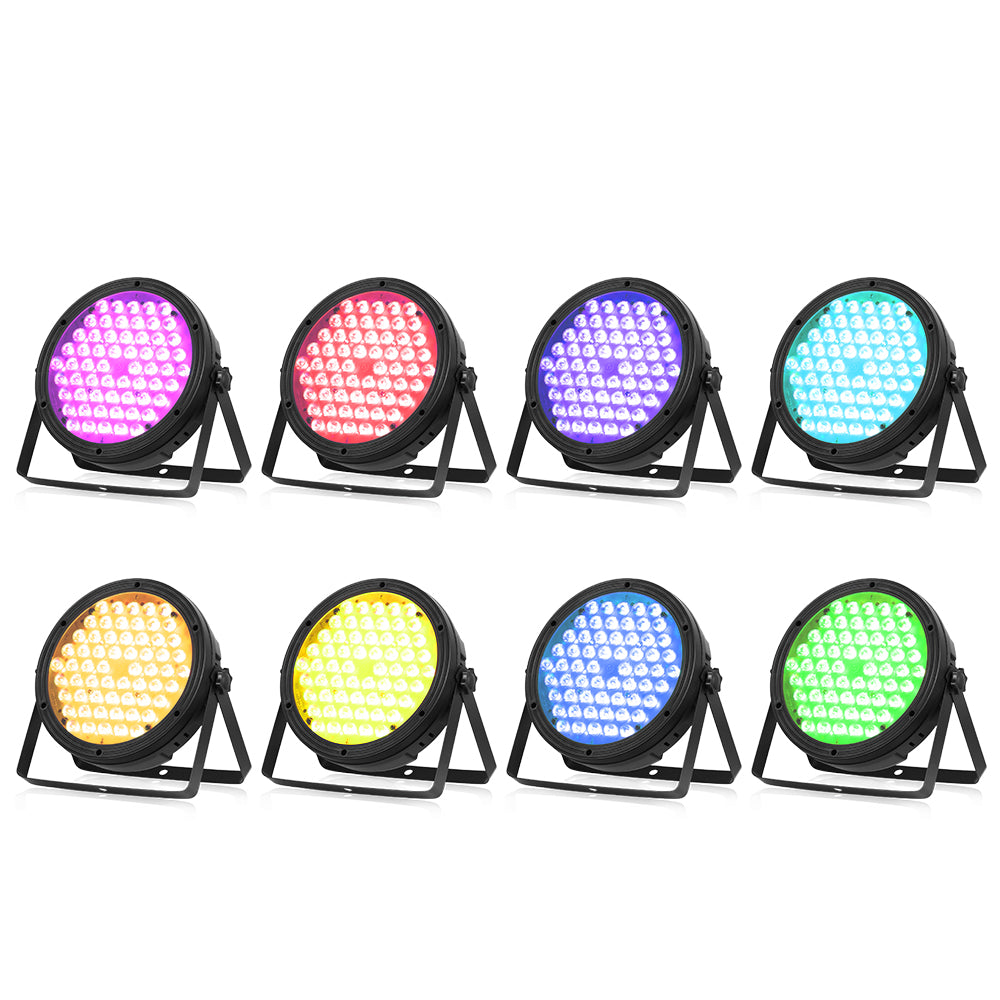
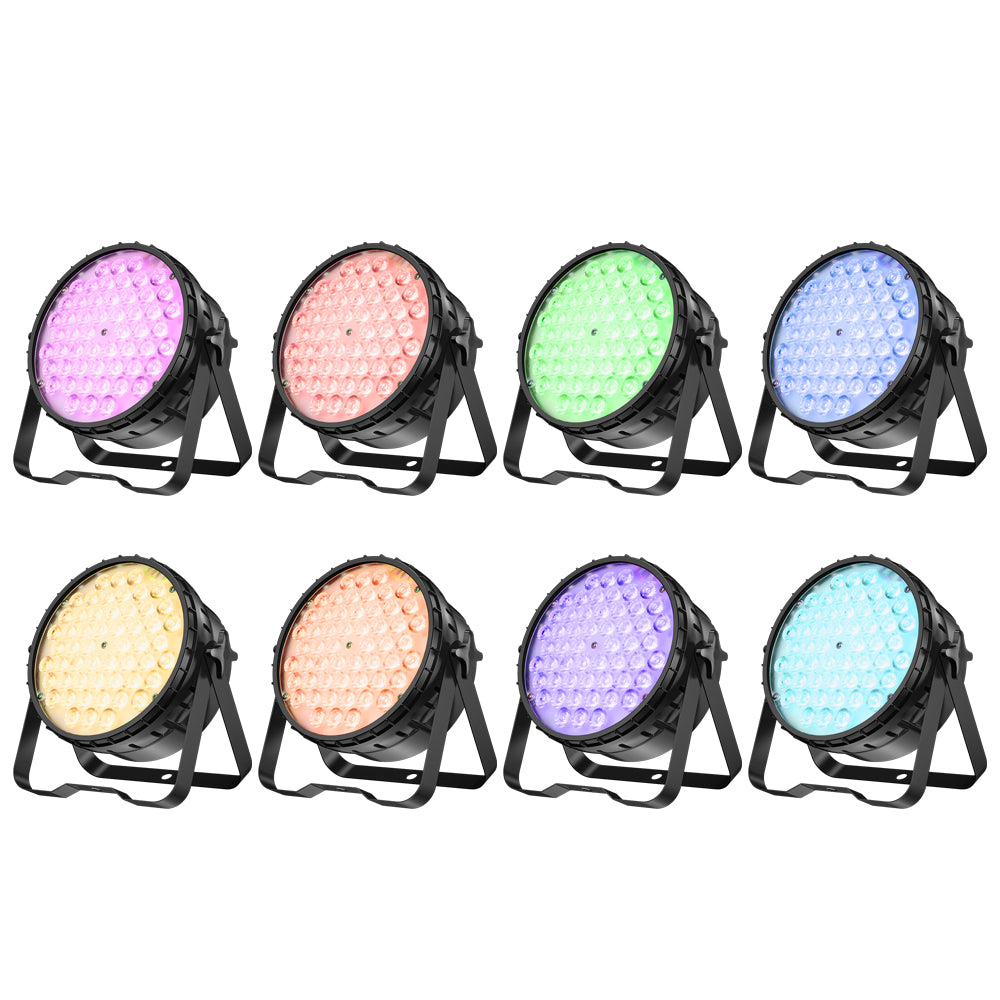
Wash lights are what make your setup usable. They provide coverage, visibility, and basic atmosphere.
Without them, your setup will often look dark, uneven, or incomplete — no matter how many effects you add. - If you already have basic coverage → add beam lights next
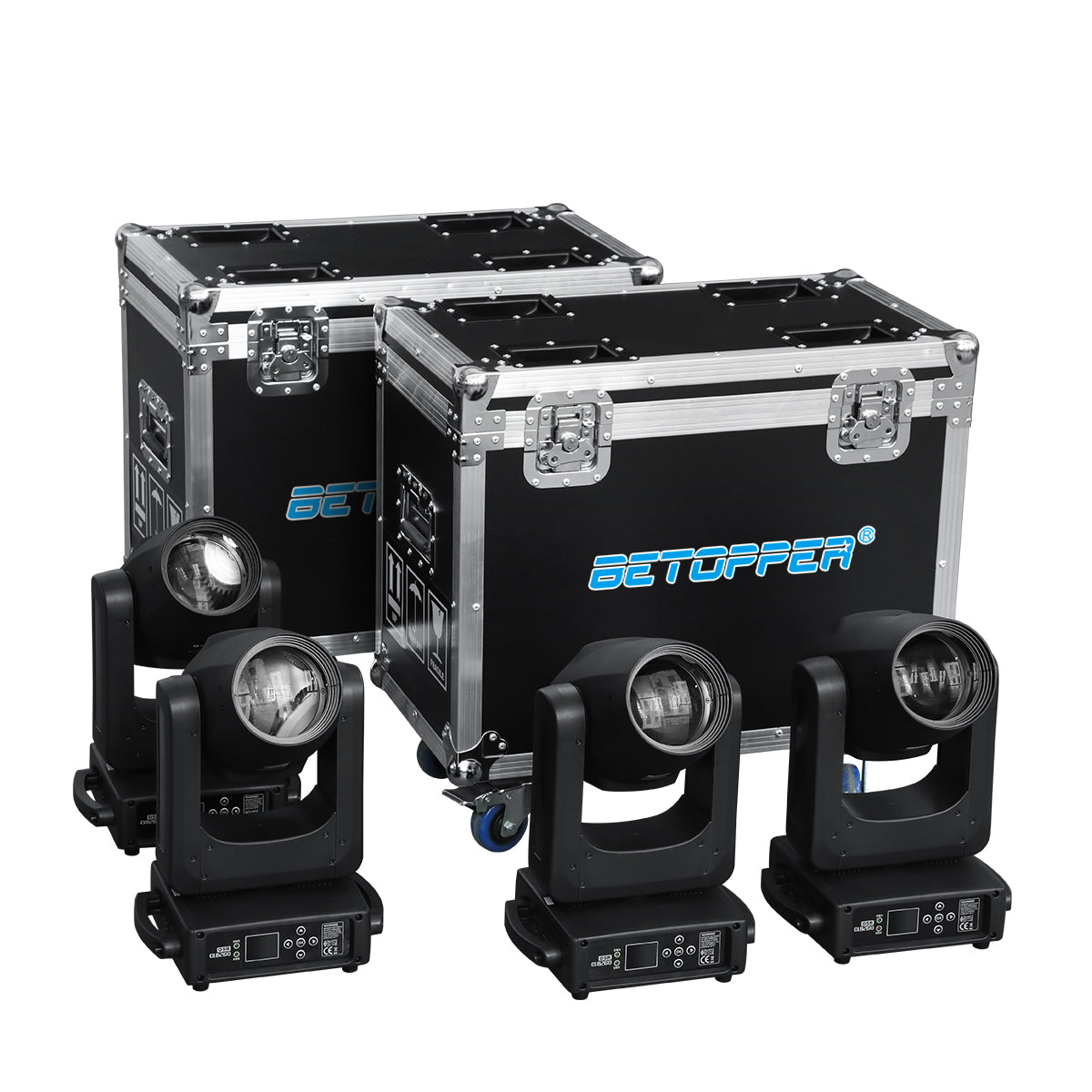
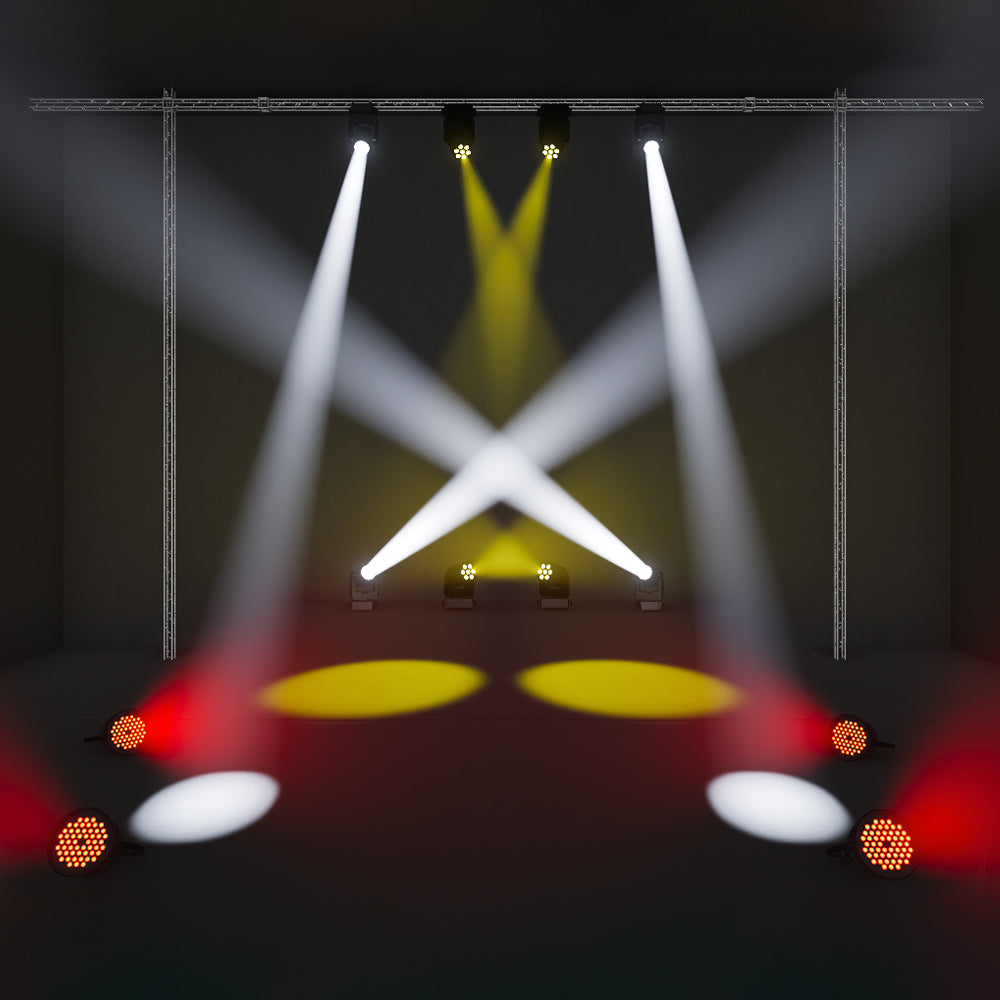
Beam lights are what make your setup feel dynamic. They create movement, energy, and visual impact.
This is usually the upgrade that makes the biggest difference in how “professional” your setup looks. - Only consider spot lights if you have a specific need
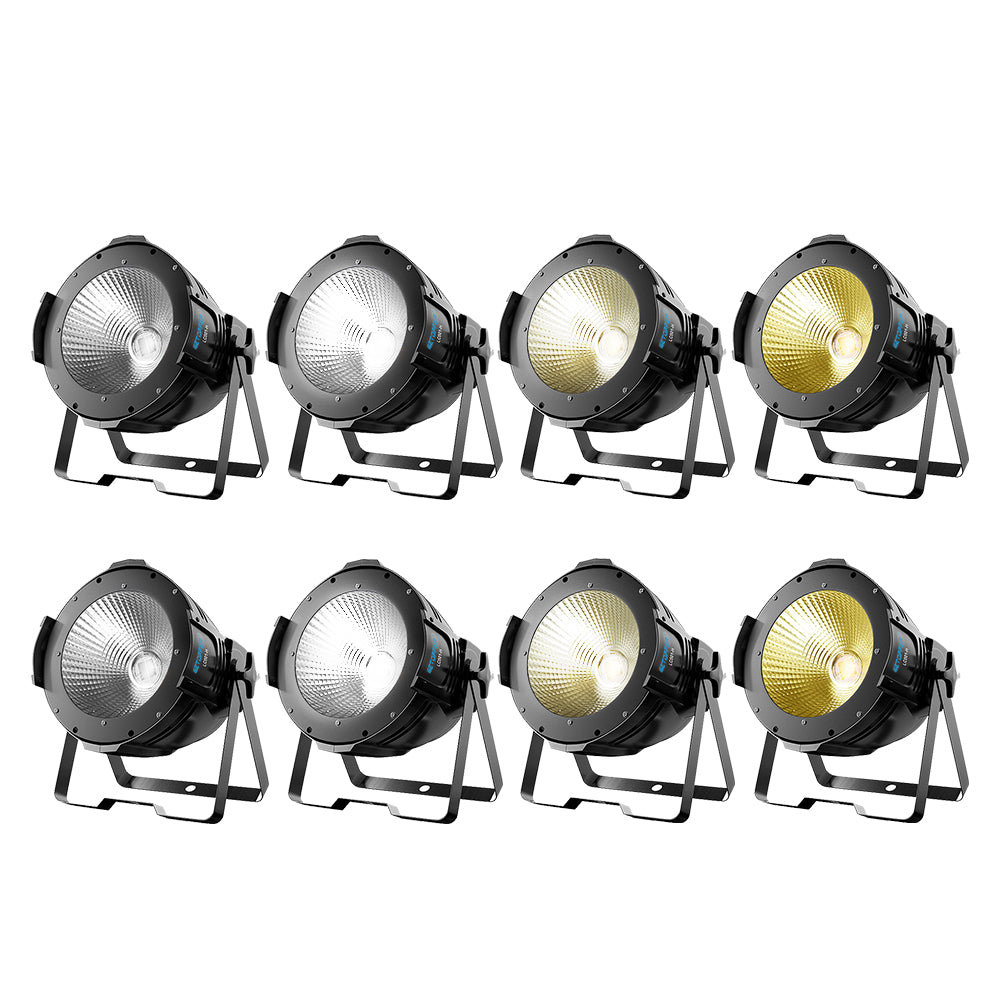
Spot lights are more specialized. They’re useful for projections, patterns, or highlighting — but they are rarely essential in a basic or mid-level setup.
But choosing the type is only part of the decision.
In reality, most products across these categories look similar — yet perform very differently.
So the more important question becomes:
👉 What is actually worth paying for — and how do you compare them properly?
Here’s where your budget should go:
1. Brightness (Output / Lux)
Brightness directly determines how your lighting looks in a real environment.
A light that isn’t bright enough will simply disappear on stage — no matter how many features it has.
How to compare:
Look for real output data such as lumen (lm) or lux ratings at a specific distance (e.g. 3m or 5m).
Avoid judging based on wattage alone, as fixtures with the same wattage can perform very differently depending on optics.
2. Movement Quality & Control Precision
This is especially important for beam and spot lights.
Smooth movement and accurate positioning make a noticeable difference in how professional your setup looks.
How to compare:
Check DMX channel modes, pan/tilt speed (°/sec), and whether movement appears smooth or jerky.
Whenever possible, rely on real demo videos rather than spec sheets alone.
3. Consistency & Reliability
This includes stable color output, low noise, and effective heat management.
Over time, these factors matter more than extra features — especially for frequent or long-duration use.
How to compare:
Look at housing quality, cooling design, fan noise levels, and manufacturer reliability or warranty support.
Beam vs. Wash vs. Spot: Which One Fits Your Setup?
By the time you’re comparing beam, wash, and spot lights, the real question isn’t what they do —
it’s which one actually makes sense for your space, your budget, and your setup.
Most buyers don’t get this wrong because they don’t understand the lights.
They get it wrong because they buy the wrong type first, or spend money in the wrong place.
1. Start with this: what does your setup actually need right now?
Before choosing between beam, wash, or spot, ask yourself:
- Does my setup feel too dark or empty?
- Does it look flat and lack movement?
- Or does it already look good, but just needs more detail or effects?
Your answer determines what you should buy — not the product category itself.
2. If your setup feels incomplete → you don’t need beam or spot yet
This is where most beginners go wrong.
They start with beam or spot lights because they look impressive —
but without proper coverage, the result looks unbalanced and underwhelming.
In this case:
You don’t need more effects — you need better coverage.
This is why wash lights are usually the first step.
They make everything else in your setup actually visible.
3. If your setup works but lacks energy → this is where beam lights make sense
Once your base lighting is in place, the next upgrade isn’t more coverage —
it’s movement and impact.
This is where beam lights come in.
But here’s the key detail most people miss:
Beam lights only perform well if your space allows it.
- Low ceilings → limited beam visibility
- Small rooms → effects feel compressed
- Large or dark spaces → beams look much more dramatic
That’s why some people buy beam lights and feel disappointed —
it’s not the light, it’s the environment.
4. If you’re considering spot lights → make sure you actually need them
Spot lights are often misunderstood.
They don’t make your setup brighter.
They don’t add much movement.
What they do is add control and detail.
So before buying one, ask:
- Do I need to highlight a performer?
- Do I need patterns or projections?
If not, a spot light is usually not your next upgrade.
In many cases, a better-quality wash or beam light will have a bigger impact for the same budget.
5. Why similar lights feel so different in price
Once you’ve chosen the type, the next confusion is price.
Two lights may look similar, but the difference shows up immediately in real use:
- One looks bright and clean → the other looks weak or scattered
- One moves smoothly → the other feels stiff or inconsistent
- One holds up over time → the other degrades quickly
This is why some lower-priced fixtures may look “good enough” on paper —
but perform very differently in real-world setups.
The difference isn’t just about price.
It’s about how the light actually performs over time.
When comparing stage lights, you should always evaluate three things:
- Key performance specs (such as brightness and output)
- Real-world results (what the light actually looks like in use)
- Consistency and reliability (how stable it performs over time)
Because a light that looks good on a spec sheet — or even in a short demo —
may still fall short in long-term, real-world use.
6. The simplest way to make the right decision
If you want to avoid overthinking, follow this:
- If your setup doesn’t look complete → fix coverage first
- If your setup lacks energy → add beam lights
- If you need control or projection → consider spot
And most importantly:
Don’t try to solve everything with one purchase. Build your setup step by step.
Conclusion
If you’re ready to take the next step, you can explore a range of beam, wash, and spot lights designed for real-world setups here:
Whether you’re building your first setup or upgrading your current one, choosing the right combination will always make a bigger difference than choosing the most expensive option.

Leave a comment
This site is protected by hCaptcha and the hCaptcha Privacy Policy and Terms of Service apply.