
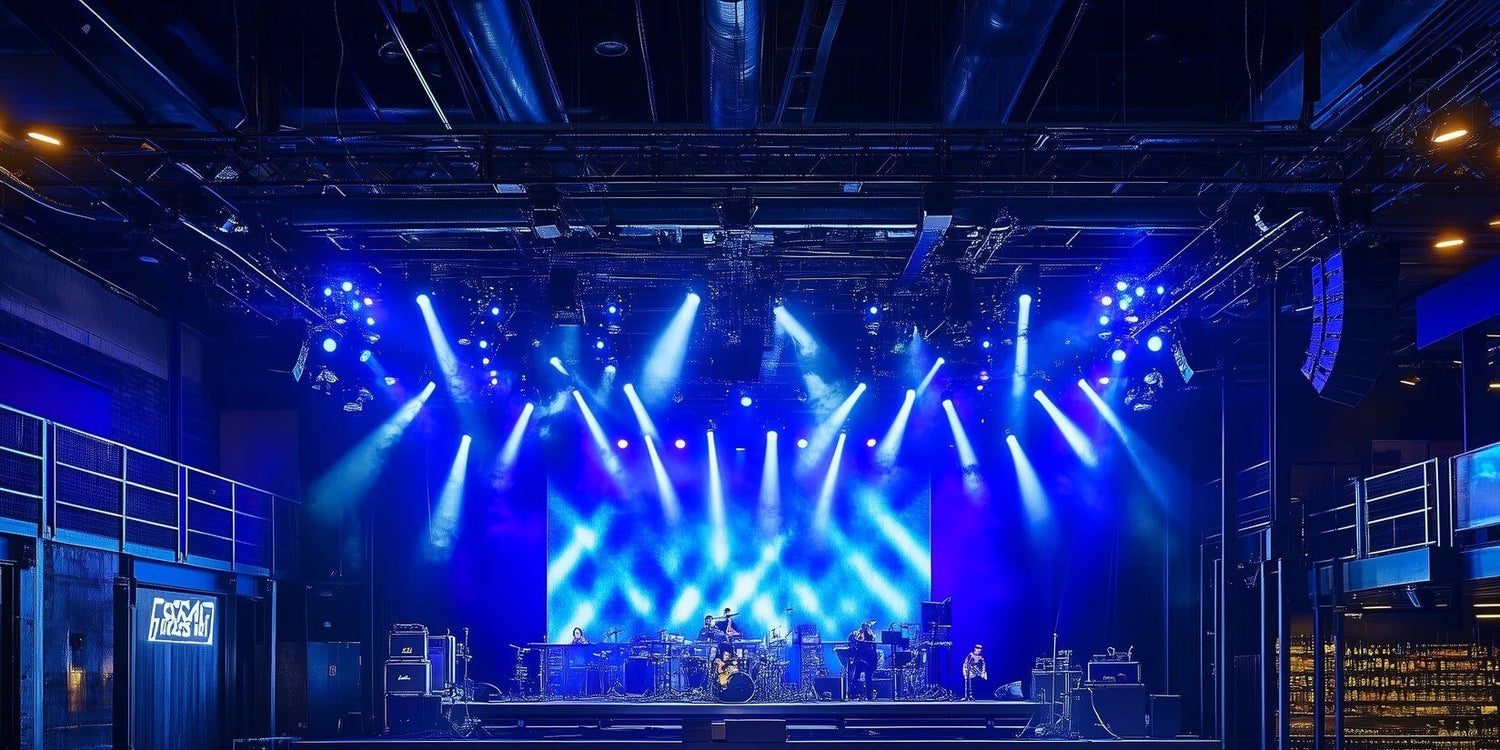
Introduction — 2026 DJ Lighting Essentials
For DJs, lighting is an essential part of any performance, as important as your music selection and mixing style. Whether you’re performing at clubs, weddings, music festivals, or private events, your lighting setup directly affects audience reactions, the flow of your transitions, and the overall memorability of your show.
Across the global DJ community, one trend is clear: performers want lighting that is easier to control, faster to set up, and powerful enough to elevate every drop, build-up, and transition. Technology is evolving quickly—LED sources are brighter and more efficient, moving heads respond faster, and compact fixtures now deliver effects that previously required large professional rigs.
In this guide, Betopper breaks down the most important DJ lighting trends for 2026, including:
- Which lighting products matter most for DJs upgrading their rigs
- Practical lighting setups that fit real-world gigs
- Design strategies for creating atmosphere, movement, and visual storytelling
- Effects that help DJs look more professional on stage—no matter the venue size
Whether you're building your first lighting kit or refreshing your full performance setup, this guide gives you a clear roadmap to lighting that looks professional, travels well, and enhances your show in every environment.

2026 DJ Lighting Trends You Can’t Ignore
As we head into 2026, a few clear trends are shaping how DJs build and upgrade their lighting rigs. These aren’t just “nice to have” ideas—they directly affect how fast you can set up, how polished your show looks, and how easy it is to scale from a small bar gig to a full wedding, club, or festival.
1. Smaller Rigs, Bigger Output
Venues are not getting larger—but expectations are.
Modern LED engines and optical systems now let compact fixtures deliver brightness that used to require huge discharge lamps. For DJs, this means:
- More power from fewer fixtures – A pair of well-chosen moving heads can now do the work that once required four or six older units. Compact movers like the Betopper LB150 or LM1915R are perfect examples—small in size but extremely bright for weddings and mobile DJ work.
- Easier load-in and load-out – Lighter fixtures and all-in-one truss/totem setups mean you spend less time carrying cases and more time dialing in your look.
- Cleaner stage aesthetics – Sleeker housings, shorter brackets, and integrated power/DMX linking make rigs look intentional, not messy.
If your current rig still relies on bulky, slow, or dim fixtures, 2026 is the year to upgrade to compact movers and LED pars that hit far above their weight.
2. Hybrid Fixtures and Multi-Function Design
One of the biggest shifts is the rise of hybrid fixtures—lights that combine multiple roles in a single housing:
- Beam/Spot/Wash hybrids for versatile mid-air beams, sharp gobos, and soft wash in one unit
- Strobe + wash + pixel effects in matrix strobes or bar fixtures
- Wash + blinder + eye-candy combinations that handle mood, punch, and visual texture at once
For DJs, hybrids offer three major advantages:
- Fewer fixtures, more looks — A single hybrid light can replace several separate units while still delivering beam, texture, and wash effects.
- Simpler programming – One fixture type with multiple modes is easier to control than four different effect lights.
- Better scalability – Start with two units and add more of the same model to grow your rig without rewriting your entire show.
If you’re upgrading in 2026, prioritise fixtures that can do at least two jobs well (for example: wash + beam, wash + blinder, or strobe + pixel FX).
The Betopper BSW200 hybrid is an excellent choice — this single compact unit delivers beam, spot, and wash functions, making it ideal for DJs who want maximum versatility with minimal equipment.
3. Pixel Mapping, Eye-Candy, and Visual “Depth”
Crowds are increasingly used to LED screens, festival rigs, and social-media-ready visuals. They don’t just want light—they want layers.
That’s why pixel-based fixtures are everywhere in modern DJ setups:
- Pixel bars and strips create chases, waves, and directional movement
- Pixel matrix strobes can run text, shapes, or energetic stutter effects
- Ring and lens effects on moving heads add depth to photos and videos
For DJs wanting eye-catching but compact effects, products like the Betopper LF350 Pixel Strobe or LF4808 Matrix FX Light deliver these modern, layered visuals without requiring complex controllers.
Even without a media server, simple tools such as:
- Built-in macros
- Sound-active pixel programs
- Basic DMX chases
…can make your rig look far more “2026” than static wash and white strobe alone.
4. Faster, Smarter Control: From Sound-Active to Structured Shows
In 2026, the control trend is clear: sound-active is no longer enough if you want to look professional.
DJs are shifting toward:
- Entry-level DMX software and compact controllers (Wolfmix, light controller apps, compact DMX desks)
- Pre-built show files and profiles that shorten programming time
- Group-based programming (front wash, movers, backlight, FX) rather than fixture-by-fixture control
Betopper fixtures like the LB150, LM1915R, and LF350 include simplified channel modes and well-documented DMX profiles, making them easier for DJs to integrate into software-controlled systems.
The goal is control without complexity:
- Small gigs → a few pages of scenes
- Weddings → curated “looks”: Dinner / First Dance / Party / Slow Jam / Last Song
- Clubs/festivals → BPM chases + busking pages
In all cases, the trend is the same: you decide what the lights do—not the sound-active mic.
5. Better Color, Better Skin Tones, Better Cameras
Events today live on Instagram, TikTok, and YouTube. That means your lighting must look good to the eye and on camera.
Modern fixtures increasingly focus on:
- High CRI / TLCI – Natural skin tones and accurate color reproduction
- Extended color systems – RGBW, RGBWA, RGBLA+UV, or Lime/Amber systems for smoother pastels and richer whites
- Refined dimming curves – 16-bit or 32-bit dimming for smooth, cinematic fades
This is where fixtures like the Betopper LM1915R Wash or LPC series LED Pars perform exceptionally well, offering high-quality whites and soft dimming—perfect for weddings and video-heavy events.
Practical takeaway:
Choose fixtures with high-quality white channels, not just saturated colors. It matters for:
- Toasts
- First dances
- Livestreams
- Recap videos
6. Quiet, Reliable, and Venue-Friendly Rigs
Many DJs earn most of their income from weddings, corporate events, and hotels—venues where noise, stability, and professionalism matter more than sheer power.
Key expectations in 2026:
- Low-noise fans that don’t interrupt speeches
- Stable, flicker-free output for cameras
- Reliable support and spare parts availability
Betopper’s compact movers and wash lights are engineered with quiet cooling and stable drivers, making them suitable for sound-sensitive environments.
Event planners increasingly expect rigs that are:
- Safe – No unexpected blinders during dinner
- Reliable – No random resets
- Controlled – Looks that match the mood rather than chaotic auto-modes
Core Lighting Types Every DJ Should Consider in 2026
Before we go into specific setups for clubs, weddings, and festivals, it’s useful to understand the main fixture categories and what role they play in your rig. Think of this as your lighting toolkit for 2026.
1. Moving Head Lights: The Centerpiece of Your Rig
Moving heads are usually the “heroes” of a DJ lighting setup. In 2026, they’re more versatile and affordable than ever.
Common types:
- Beam movers – Tight, punchy beams that cut through haze and look amazing in mid-air
- Spot movers – Use gobos, prisms, and focus to project shapes and textures
- Wash movers – Soft, wide coverage to bathe the dance floor, stage, or ceiling in color
- Hybrid BSW movers – Combine beam, spot, and wash modes in one fixture
What to look for in 2026:
- Output that matches your typical venue size
- Zoom (where possible) for flexible beam angles
- Fast pan/tilt for energetic chases
- Useful gobos (break-ups, dots, beams, patterns you’ll actually use)
- At least one prism and good focus for sharp mid-air effects
- Quiet operation for weddings and corporate events
If budget is limited, two good moving heads can upgrade your show more than a box full of cheap, random effects.
 |
 |
 |
2. LED Par Lights: The Foundation of Atmosphere
Pars are still the backbone of many rigs—and they’ve matured hugely:
Uses:
- Stage wash for performers, DJs, and bands
- Dance floor color to set the mood
- Uplighting on walls, pillars, and décor
- Accent lighting on truss, DJ booths, or backdrops
What’s trending in 2026:
- High CRI and extended color engines for better whites and pastels
- Battery and wireless options for fast room setups and cable-free looks
- Slim housings that hide easily behind décor or furniture
If you’re starting out, a basic kit of 4–8 par lights can handle:
- Mood lighting during dinner
- Warm white for speeches
- Party colors for the dance floor
 |
 |
 |
3. Light Bars and LED Strips: Movement and Direction
Bars and strips are becoming must-haves because they introduce directional movement and lines to your design.
They’re great for:
- Backlight behind the DJ (horizontal bar on the floor or truss)
- Vertical towers/totems left and right of the booth
- Creating “frames” – outlining doorways, stages, or backdrops
What to look for:
- Pixel control or zone control for chase effects
- Mounting options (floor stands, clamps, brackets)
- Power and DMX linking to speed up setup
A pair of good LED bars can often create more dynamic looks than multiple small, random fixtures.
 |
 |
 |
4. Strobes, Blindners, and Punch Effects
Effect fixtures are the exclamation marks in your lighting language. Use them to highlight drops, build-ups, and big moments.
Typical roles:
- Strobes for high-energy EDM, trap, or festival-style moments
- Blinders to light up the crowd during sing-along sections
- Strobe/blinder combos that can act as warm audience light and also do fast, punchy hits
In 2026, many DJs prefer multi-function strobes that offer:
- White + color wash
- Pixel FX and patterns
- Adjustable dimmer curves so they’re usable even at low intensity for smaller rooms
 |
 |
 |
5. Special FX Lights: Use Sparingly, Use Intelligently
Derby lights, moonflowers, small lasers, and other special effects can still have a place—but the trend is to use them more strategically:
- One or two effect fixtures positioned high and behind the DJ
- Used as accent layers, not the main show
- Triggered during specific songs or genres rather than running all night
The modern look prioritizes clean beams, strong color, and structured movement. Too many random dots and spinning patterns can make your rig feel dated.
Conclusion — What Comes Next in the 2026 DJ Lighting Guide
This first part of our 2026 DJ lighting series outlined the core trends shaping modern performance setups and the essential fixture types every DJ should understand before upgrading their rig. These fundamentals—smaller but more powerful lights, hybrid functionality, pixel-driven visual depth, smarter control, better color quality, and quiet, reliable operation—form the foundation of a professional lighting system in 2026.
In Part 2, we’ll move beyond the “what” and into the real-world “how.”
You’ll learn practical lighting setups for bars, weddings, clubs, and festivals, plus clear design strategies for movement, color, atmosphere, and storytelling. We’ll also break down which effects make DJs look more polished on stage—no matter the venue or budget.
Stay tuned for the next chapter of the guide as we show you how to turn these trends into a fully optimized lighting setup for your 2026 performances.

Dejar un comentario
Todos los comentarios se revisan antes de su publicación.
Este sitio está protegido por hCaptcha y se aplican la Política de privacidad de hCaptcha y los Términos del servicio.